July: Garden to do’s outdoors
Ingrid Van Oostrom | JUN 29, 2023
July: Garden to do’s outdoors
Ingrid Van Oostrom | JUN 29, 2023
Summery July arrived! It has been quite dry and sunny lately, weeds are growing very enthusiastically, and lots of veg and fruits are ready for harvest. Shall we just crack on with the list for July?
1. Check your monthly plan
What has July got in store for you? Any fun celebrations? What are you harvesting this month?
2. Harvest, store, sow, thin, and repeat
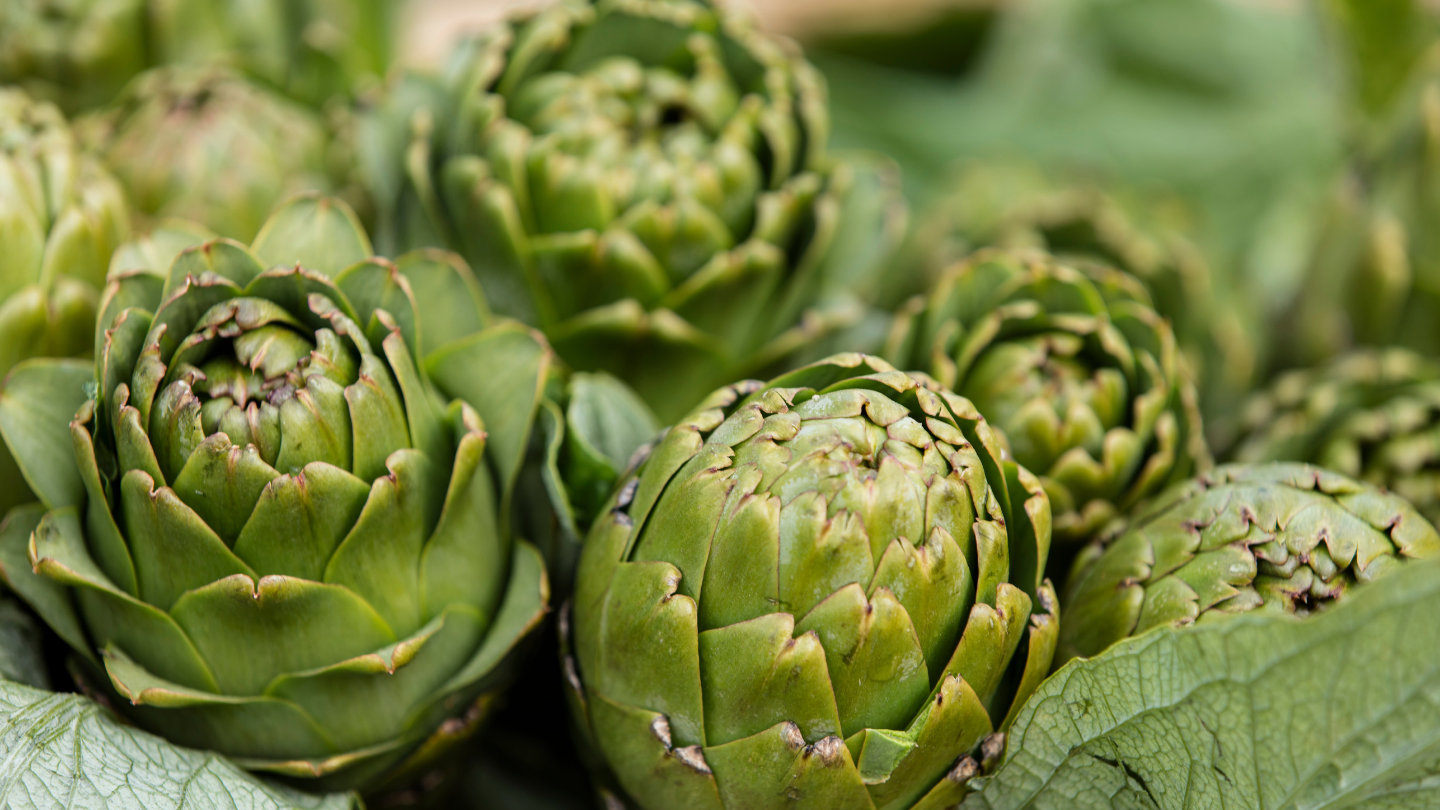
Veggies and fruits galore! There are so many tasty foods we can harvest in July, I cannot name it all but I can name a few: Lettuce, turnip, globe artichokes, beetroot, chard, potatoes, courgette, squash, radishes, carrots, peas, onion, strawberries, gooseberries, tayberries, blackberries, blueberries, red currants, black currants, white currants, French beans, broad beans, runner beans, kale, parsley, coriander, mint, rosemary, thyme, florence fennel, garlic, fennel, kohl rabi, pak choi, spinach, and I can keep going. What did you grow this year that is ready for harvest in July?
Depending on where we are and depending on our plan we might want to sow beetroot and peas for an autumn crop. Winter radishes and spring cabbages can also be sown and there is always lettuce.
Berries freeze really well. Spread them in a thin layer on a baking sheet, freeze them, and when frozen put them into a tub. Freeze another batch, add it to the tub and so on. If we put them all together on a sheet we could end up with frozen bruised fruit. Not the tastiest!
3. Plant
Planting in July? Yes! This is the month for late variety of leeks to be planted. It is done in a different way than other veggies: Dig 15cm deep holes spacing them 15cm apart and leave about 30cm between rows. Put the leek in the hole and do not firm the soil around it. Instead water the hole and let the soil naturally over time fill in which will blanch the stem.
If endive and winter cabbage is grown indoors, this is the time to plants those out too and strawberries can be planted out as well.
4. Thin fruit, pinch out, and summer prune
Apples and pears are thinned in order for a good sized crop to form. If leaving quite a few fruits on a cluster we will end up with smaller fruits. It is up to you and the variety how much needs thinned, but often apples and pears are thinned to one or two fruits per cluster. Make sure there is at least a big fist between clusters to avoid fruits touching each other.
Summer pruning is carried out to keep plants healthy and encourage a good crop. Plants that are summer pruned are apples, pears, plums, cherries, apricots, vines, red currants, gooseberries, figs, and if your summer raspberries are finished fruiting they can be pruned too. Each have their own 'system' so make sure to research!
Some climbers like runner beans and for example cordon tomatoes will keep growing. Pinch out the tops to stop them where you want them to stop. Pinching out helps the plant to put their energy into the flowers and the fruits.
5. Pest and disease control
As I mentioned in June, warm weather means a happy environment for pests. This is the time of year that white cabbage butterflies will lay their eggs on brassicas if not protected. Aphids and gooseberry sawfly will have a great time as well, so keep an eye out on those. I do hope you're encouraging wildlife in the garden to help you with pest management!
6. Water and feed
Many crops will struggle if they don't get the water they need. Beans, tomatoes, and courgettes will thank you for a drink and nutrients. Water either early in the morning or late in the evening. Water evaporates very quickly during the summer and doing it at those times gives your plants the best change to absorb it. Crops like tomatoes and courgette are hungry plants, so make sure to feed them with an appropriate fertiliser. If you see any other plants struggling or not looking the best give them a boost as well.
7. Weed, cut back, and deadhead
Weeds will compete for light, nutrients, and water with your plants that you want to thrive. Some can be carriers of diseases so it's important to stay on top of these plants. Some are very useful though, if you happen to come across a big dandelion where you don't want it dig up the root and make dandelion tea or coffee. Yum!
Deadheading flowers will encourage more flowers to form in bedding plants, depending on what you've used. Sweet peas is another example where this will definitely work. Sometimes it doesn't but it does make your plants look a lot tidier! Roses for example look better when tidied up. Cutting back geraniums and delphiniums after their first flowers might encourage them to give you another flush. Yay!
8. Grass cutting, lawn maintenance, and edging
Cut, cut, cut and edge, edge, edge! You might want to feed your lawn with a fertiliser high in nitrogen and keep an eye out for brown patches which can be caused by leatherjackets. How cool is that pest name? Not so cool what they do to your lawn though... they're larvae feeding on the roots of your grass.
9. Cut Flowers
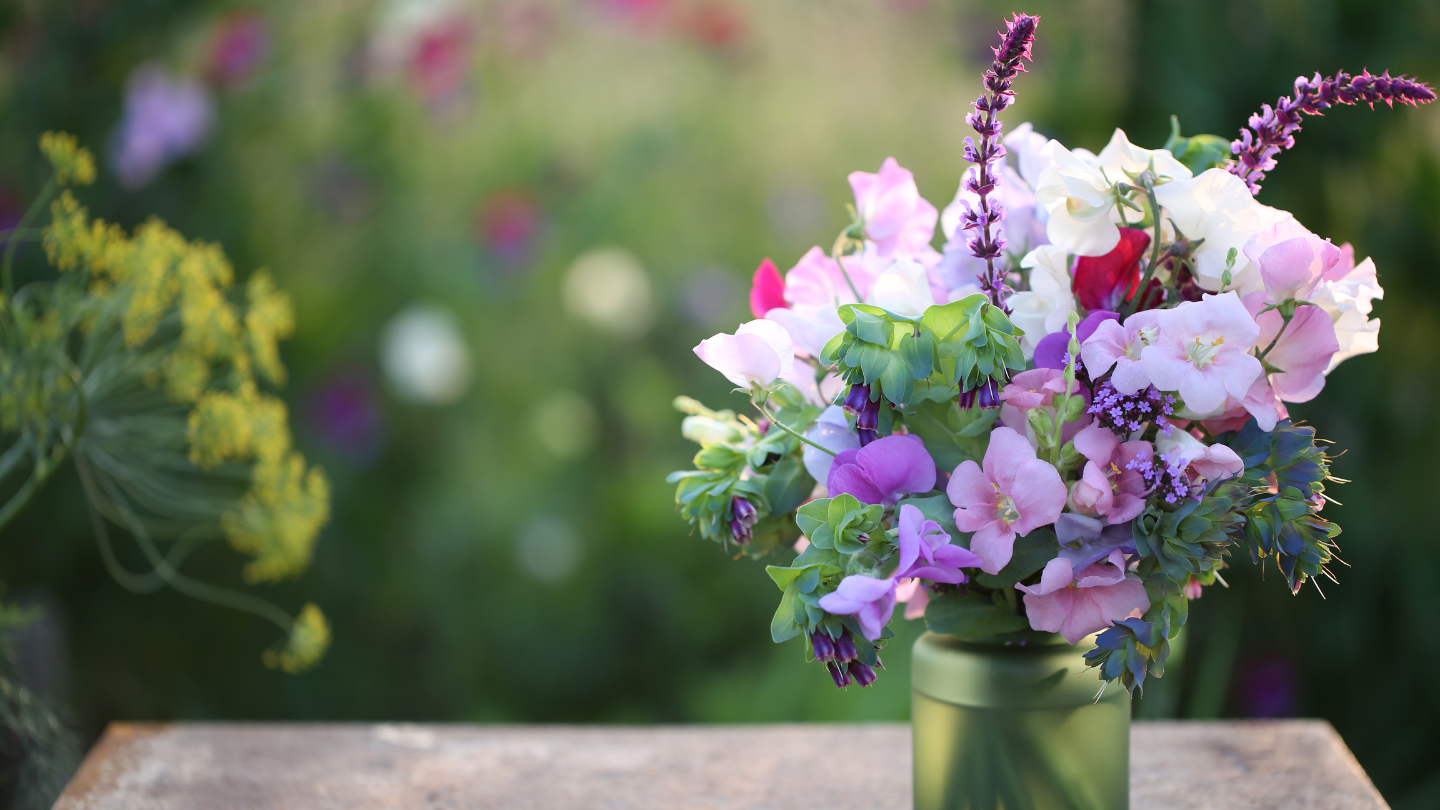
If you like to bring flowers indoors, you'll have quite some choice. Dahlias might be ready, snapdragons galore, cornflowers, sweet peas, take your pick!
Please note: This post is written in the south of Scotland - UK. Adjust the month to your hardiness zone. If you have specific gardening questions, please do not hesitate to reach out.
Ingrid Van Oostrom | JUN 29, 2023
Share this blog post

 OfferingTree