May: Garden to do's outdoors
Ingrid Van Oostrom | APR 29, 2023
May: Garden to do's outdoors
Ingrid Van Oostrom | APR 29, 2023
Oh how I love this month! Spring and autumn are my favourite seasons when it comes to gardening. There is much to do and so much more to enjoy. May brings warmer temperatures and often quite a lot of sunny days which means life is everywhere. So many plants are becoming lush, vegetables grown on indoors are planted out and putting on lush growth, and flowers are brightening up the days.
Even though May can be a very summery month, be careful with letting your guard down at the beginning of the month. Night frosts can still happen in Scotland at this time, although warmer night temperatures show up after a week or two. Let's have a look at May's gardening jobs outdoors.

1. Check your monthly plan
My monthly plans have expanded to include celebrations and May includes Beltane. I love to take a moment and celebrate new life and be thankful for all the earth is giving us, of course with a cup of something sitting in the garden.
2. Prepare seedbeds, sow, thin, harvest
It is full go go go in May! I went into more detail for this in the April article so I will keep it short and sweet. Keep an eye on the weather forecast and go for it when danger of frost has passed. I know it is tempting to start sowing early but sometimes it is better to wait a few days. The change in weather really does makes a difference and seedlings are easily damaged by frost.
Weed, rake, consolidate, rake, sow, cover, water, and watch magic happen over the next few weeks. Thin seedlings that need thinned if sowing in situ has started. Lettuce, carrots, beetroot, parsnips, and radish all need thinning. Some plants need less space than others and sometimes if spacing plants out less, the result will be baby vegetables which is done often with carrots and beetroot but also with turnips.
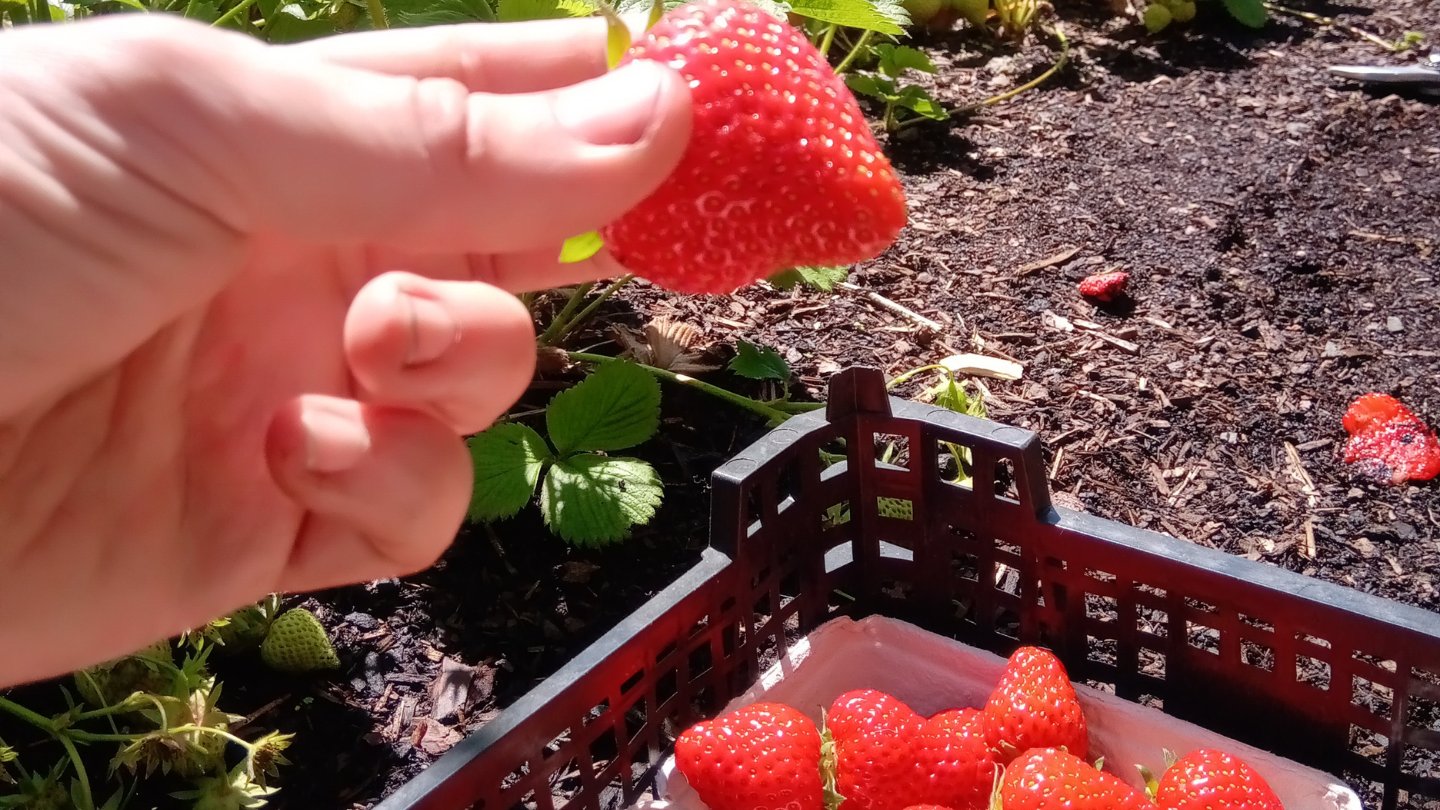
Harvest, yay! This is why we grow veggies and fruit and there will be plenty. Depending on when seeds were sowed, there will be lots to enjoy such as herbs, rhubarb, lettuce, radishes, beetroot, baby carrots and turnips (see what I did there). Broad beans that were sown in autumn or late winter, peas, spring cabbages, gooseberries, and strawberries if we are lucky at the end of the month, and do not forget to harvest courgette flowers and pea shoots! Maybe harvest the last of winter cauliflower. Asparagus can be cut too but make sure to leave some spears on the plant to fuel the crown with energy for next year's growth.
Have you tried borage flowers? Very tasty if you can get to them before the bees have collected the nectar.
3. Harden off, plant, add and check supports, pinch out
Plant those herbs, veggies, and flowers if not done already, except for younger and tender plants that were taken from cuttings such as dahlias, chrysanthemums, and cannas. Those can be hardened off this month together with courgettes and pumpkins. Most of the planting has been done in April but I love seeing the last veggies leaving the cold frames in the middle of or towards the end of the month including coriander, courgettes, and pumpkins now the temperatures are more suitable.
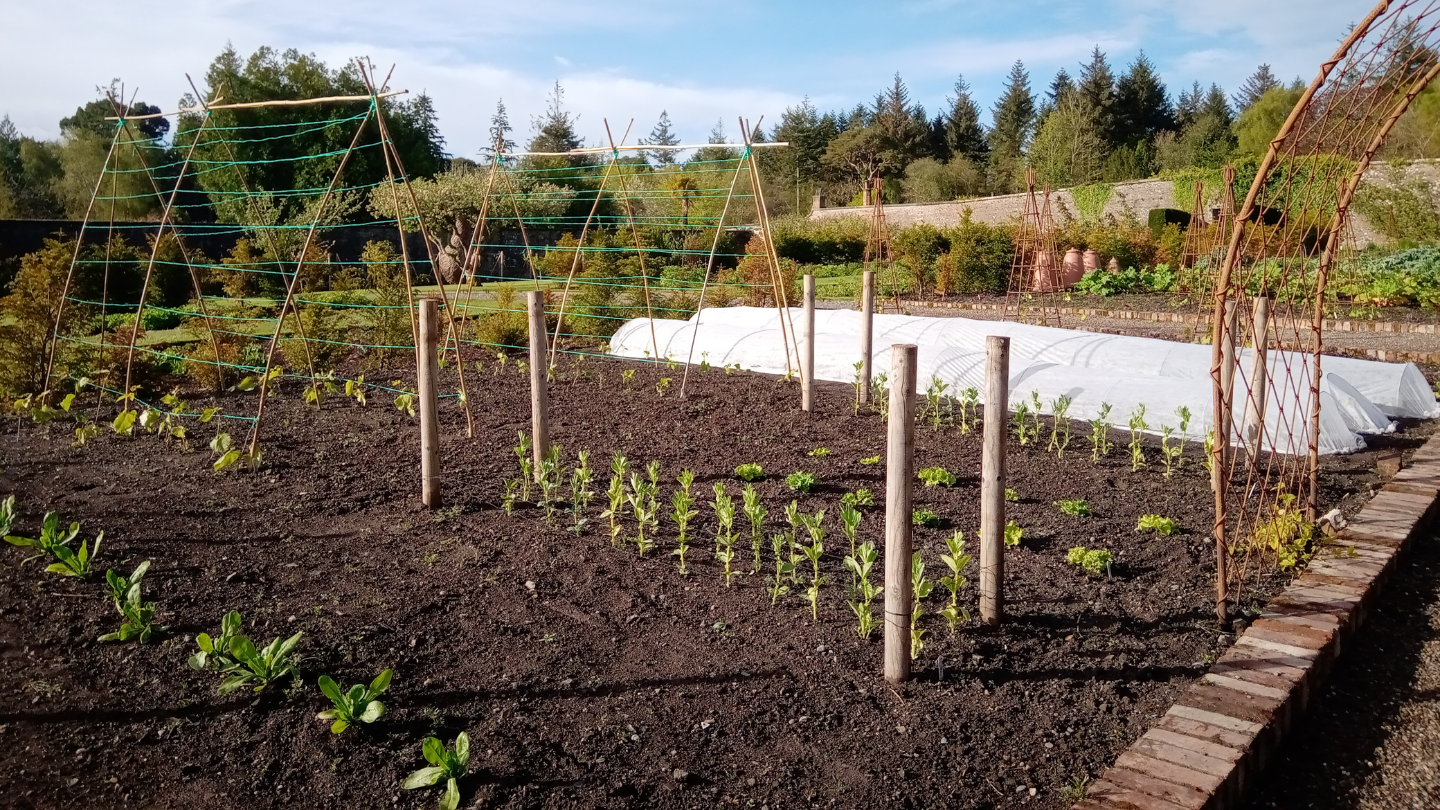
Walk around the garden and check supports. We might need to tie new shoots in or gently wrap plants around the supports to encourage them growing where we want them. Think of runner beans, roses, peas, and sweet peas. Are they flowering yet?
Pinch out peas and broad beans. Pinching out means taking off the tip of the plant which will cause it to branch out which means a better yield. It is not done to every plant so… yes… know the plants. Peas are great to pinch out because the shoots are super tasty too, a great addition to salads. Do not eat the sweet pea shoots though, those are toxic.
4. Weed, tidy, and add to compost
The same as March and April and it will be more intense at this time through to August. Weeds will be everywhere so keep on top of them. Often after hand weeding, hoeing regularly where we can is enough to stay on top of weeding. If there is not enough time to dig up for example dandelions and we see them flowering, try to take the flowers off. You might want to look into weeds though, some are great additions to salads.
Did you know you can eat parts of Capsella bursa-pastoris commonly known as shepherd's purse? Be careful though, some plants can be toxic. There are many great books out there that go into detail when it comes to foraging and use of weeds and of course there are professionals out there educating too.
5. Pest control
Flowers abundant in colour and nectar will attract many beneficial insects and we can install bird nesting boxes and bee hotels. I do love seeing ladybugs in the garden, their larvae are amazing, and what about bumblebees? Keep an eye out on plants susceptible for sawfly such as gooseberries and red currants and now we might want to use Nemaslug nematodes 6 to 7 weeks before harvesting crops. Slugs love brassicas so keep a watchful eye.
6. Grass cutting and edging
Cut cut cut, edge, edge, edge. I went into more details for this in the April articles so I will just leave this here.
7. Pond maintenance
I do not have much experience with ponds in all honesty, but my study and research help me with knowledge. May is a month for removing any unwanted algae and get rid of debris. Leave it at the edge of the pond for a day or two so any beasties can make their way back into the water. Check the filter and plant new plants or thin and divide what is there. Caltha palustris is lovely and who does not enjoy water lilies? Feed fish!
8. Water and feed
May can be super lovely and sunny but it also means it can be quite dry. Whatever needs water, water ideally early in the morning or in the late afternoon, or if possible in the evening when temperatures are still low and plants have time to absorb what they need before most of it evaporates. Be as environmentally friendly with this though. Look at the weather forecast to monitor any rain and it is awesome if rainwater or grey water can be collected used. Sprinklers seem great but they can be quite inefficient. Container plants might like a feed and how is the lawn looking?
9. Earth up potatoes
When shoots start to appear, cover them again with soil. This gives them protection but also encourages the stem to create more tubers which are the potatoes. Usually a rake is used to draw up the earth from the side.
10. Deadhead and cut flowers
Deadheading flowers that are finished results in plants creating more flowers. They want to set seed to survive. Not all plants will do this though, monocots like daffodils and tulips will not grow new flowers but deadheading those will make the garden look better and looked after. Cut flowers are grown to be cut so bring those tulips and irises indoors if you like that kind of thing. Personally I prefer to leave them in the garden or cut some as a gift. Who does not like the gift of homegrown flowers?
11. Enjoy!
It is very important to step back each month and look at what we have achieved and see the garden without listing new jobs. Just enjoy! Make a cuppa, take a breath, and step into your place of beauty. Let it do what it is supposed to do, show itself of to you, your loved ones, and wildlife.
Please note: This post is written in the south of Scotland - UK. Adjust the month to your hardiness zone. If you have specific gardening questions, please do not hesitate to reach out.
Ingrid Van Oostrom | APR 29, 2023
Share this blog post

 OfferingTree