June: Garden to do's outdoors
Ingrid Van Oostrom | JUN 1, 2023
June: Garden to do's outdoors
Ingrid Van Oostrom | JUN 1, 2023
Spring is transitioning into summer and the weather is definitely warming up. Tasty vegetables are growing, many fruits are ripening, and bees are buzzing. We might think the amount of tasks will decrease but that is not always true depending on the garden. Also, the intensity might increase due to lovely summery weather.
There is quite a bit of cross over with May's garden to do's and there will be for the next few months. The garden to do’s that are repetitive for June are: weeding, tidying, composting, earthing up potatoes, watering, feeding, deadheading, and cut flowers. Read more about those in the outdoors May article.
June garden to do’s outdoors, bring on the list!
1. Check your monthly plan
Birthdays, celebrations, and gardening tasks! Check, check, double check.
2. Harvest, store, sow, thin, and repeat
Yum, yum, yummy! It is the first 'proper' month to harvest several tasty foods like globe artichokes, radishes, baby carrots, courgette, peas, onion, many herbs, early potatoes, and depending on where we are there might be early cauliflower, garlic, fennel, and kohl rabi to enjoy. It very much depends on what we selected to sow, there will be much ready for tasty recipes. How much better are home grown foods than the bagged supermarket stuff? One more thing... STRAWBERRIES!!!
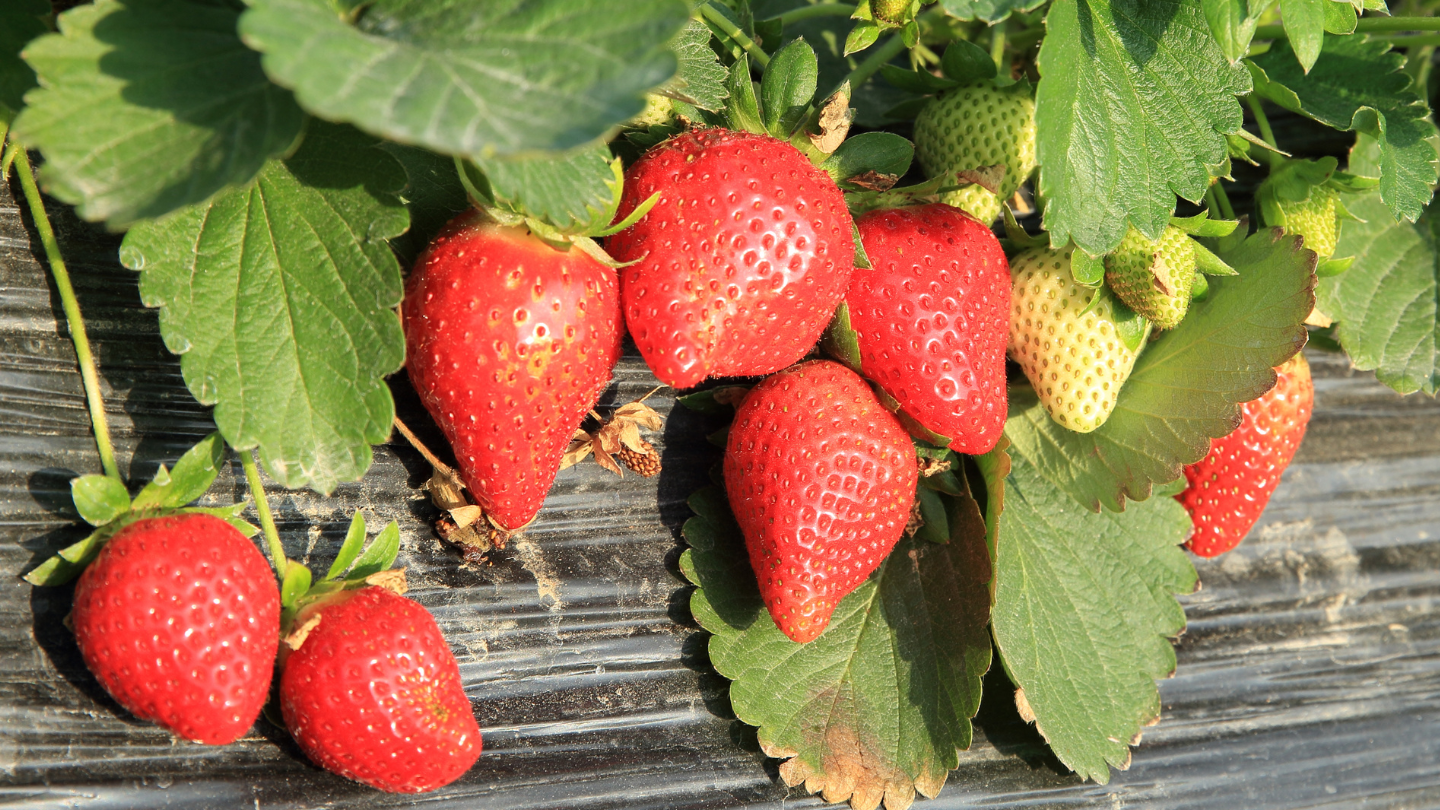
When harvesting fast growing crops such as radishes, lettuce, turnip, and beetroot we can successional sow. This means sowing a new batch after harvesting. Prepare the soil and sow again and make sure to give them a drink. As seedlings grow, thin them out and let them do its magic. Harvest and repeat.
When growing slow crops like maize or brussels sprouts we can sow fast growing crops between them to make as much use of the space we have, this is called inter-cropping, or we can grow fast growing crops after harvesting slow growing crops also to make as much use of the space, this is known as catch cropping. Or you might have a potagers gardens or permaculture garden making great use of space.
Before storing onions and garlic let their outer skin dry out. Store them somewhere cool and dark.
3. Plant, (check) support, and protect
There is always something to plant. Dahlias can be planted at the end of May or beginning of June. This might seem late, but May can still get frosty in Scotland and better to be safe than sorry with plants that are half hardy or tender. Often bedding plants are planted in June too.
Climbers and scramblers might need a little help when they are starting to climb or scramble. For climbers such as clematis and peas it can be enough to wrap one tendril around support, usually that only needs to happen once and those plants will happily start climbing when they know where to go. Scramblers and canes like blackberries and raspberries need to be tied in. How are the stakes looking? Are there any perennials that are shooting up like delphiniums who would benefit from support?
Birds and squirrels, like humans, love fruit. Make sure to protect goodies for a decent crop. Birds are often much faster in harvesting than humans!
4. Pest and disease management
With the weather warming up pests and diseases will start to increase too, keep a watchful eye. Black bean aphids love beans and they can do quite some damage to new shoots. Powdery mildew can show up on fruits like gooseberries and black currants and protect carrots from carrot fly. Encourage wildlife into the garden. There really is a difference when birds are flying around and lady bugs are feasting on those nasties. Have you had any interesting birds in your bird nests?
5. Grass cutting, lawn maintenance, and edging
Another one on repeat but the difference in June is that grass is growing faster due to warmer weather. Cut more often and cut to a shorter length if that is the preference, otherwise just let it grow. Lawns might like a feed and keep an eye on the weather, water could be much needed.
6. Pond maintenance
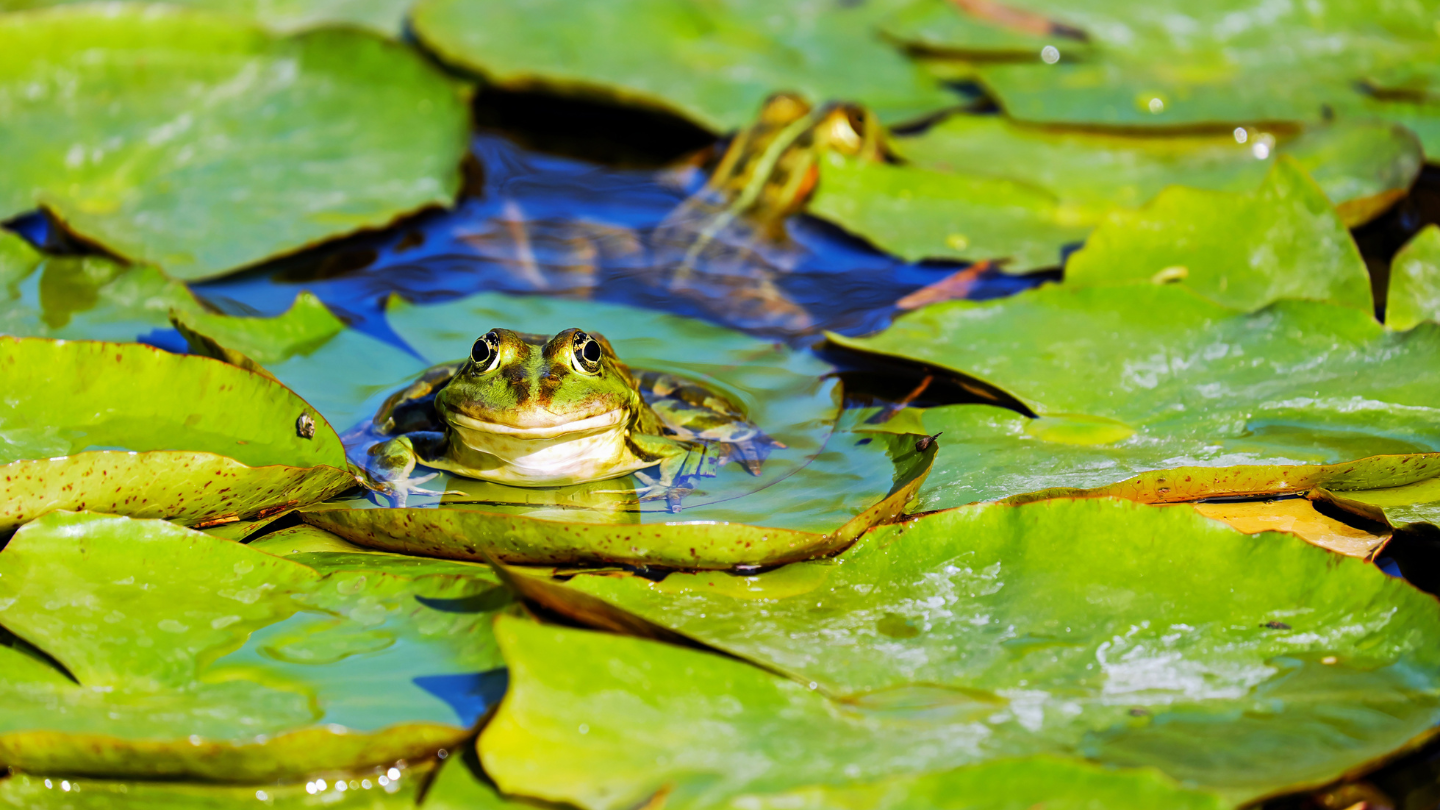
In June, like May, removing algae can be one of the things to do for a pond. Check the water level too, it might need to be topped up in the coming months. Use rain water if possible.
7. Layer strawberries
Strawberries are tasty fruits but did you know that the plants are super helpful? They sent out runners which are basically stems that run horizontal on the soil in case of strawberries. They attach themselves to the soil and grow new plants. Peg the runners to the soil and tada! We have ourselves a new strawberry plant when it is rooted in a few weeks. Simply cut the runner away from the parent and leave it in the soil if wanting to expand the patch or pot it up. If we are lazy we can even fill pots with compost, bury it so it is level with the soil, peg the runner into the pot and let the plant grow into the pot itself. Super easy peasy.
8. Cut back, dig up, and divide bulbs such as irises
Foliage will turn yellow and eventually brown when plants are fully done and the energy has gone back into the bulb. When that happens cut back the foliage and if wanted dig up the bulbs, divide them, replant them, or store them somewhere cool and dark for planting next year. Do this too with any clump forming plant that has finished flowering. Replant those straight away or pot parts up to establish new plants.
9. June drop
June drop does not always happen in June but it can happen at this time. Confused? It is basically when many apple and pear trees decide themselves to drop fruits that are unhealthy or when the crop becomes too heavy. Often many people think that the dropped fruit is ripe and it can be fun to see them bite into a very unripe fruit at this time. That is how people learn right? Apples and pears are not ripe until late summer to autumn. Anyway, do not be alarmed if the trees are shedding fruits. After this ‘whatever summer month drop’ thin the fruits yourself for a healthy crop and good sized fruit. How amazing are plants?
10. Enjoy!
Always enjoy the garden. Step back and really look at your creation. Smell the flowers, eat the fruits, walk around, and appreciate your hard work!
Please note: This post is written in the south of Scotland - UK. Adjust the month to your hardiness zone. If you have specific gardening questions, please do not hesitate to reach out.
Ingrid Van Oostrom | JUN 1, 2023
Share this blog post

 OfferingTree